ByJohn A
Scrap Metal Recycling in Melbourne Gives Fabrication Workshops a Better Way to Manage Offcuts
Fabrication workshops rarely run short of offcuts. Plate skeletons lean against the wall, swarf collects under the lathe and short lengths of box section get kept just in case. Over months, that build-up takes floor space and slows every job. Planned scrap metal recycling in Melbourne gives workshops a steady way to clear it before it becomes a problem.
The metal itself is seldom the issue. The missing system around it is. Offcuts end up mixed with grinding discs, packaging and general rubbish, so recoverable material leaves the building as waste. A workshop that sets up scrap metal recycling in Melbourne with designated areas, suitable bins and regular commercial collection turns that clutter into material ready for recovery.
Every Cut, Weld and Pass Leaves Something Behind
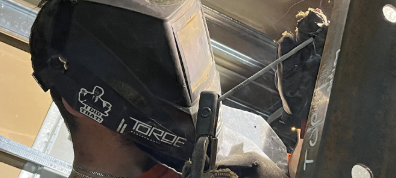
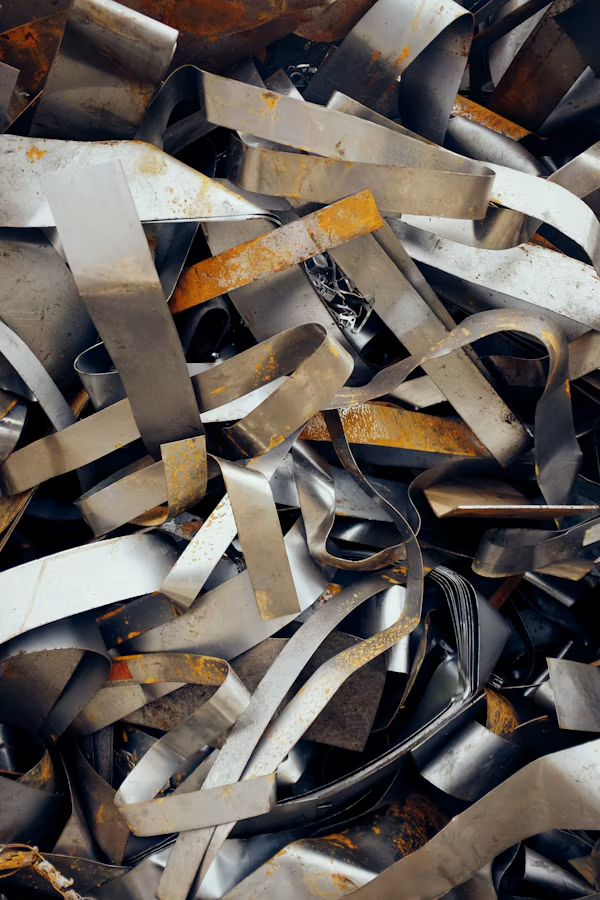
Cutting and Welding Produce the Bulkiest Offcuts: Cutting and welding produce most of the larger offcuts in a fabrication shop, from plasma-cut plate skeletons to short ends of angle, channel and RHS. Welding adds rejected joints and spatter-covered trial pieces. The bulk of it is mild steel, though stainless and aluminium jobs leave their own piles, and those three rarely belong in the same container.
Machining and Assembly Create Finer, Mixed Scrap: Machining and assembly create smaller scrap that is harder to manage, including turnings, swarf and drilled-out slugs. Cutting fluid clings to fine material, so it needs a container that will not leak across the floor. Assembly benches add brass fittings and copper earth straps, which disappear into general bins unless someone gives them a home.
Delays Turn Offcuts into Lost Floor Space: Leaving scrap to accumulate reduces usable workspace, raises trip and handling risks and makes later clean-ups larger and slower. In day-to-day workshop practice, fabricators commonly describe a corner that started as a temporary offcut pile and ended up holding months of mixed material. By then, sorting it takes labour away from paid work.
Sorted Metal Is Easier to Handle and Assess
Separating Common Metals Simplifies Handling: Keeping steel, aluminium, copper and brass in separate containers where space allows makes each stream easier to store and identify. Workers know where each offcut goes, forklift drivers know which bin to swap and nobody has to pick through a mixed heap later. Mixed loads can still be accepted and assessed, so separation remains a practical choice rather than a strict requirement.
Clear Streams Support Accurate Assessment: Assessment depends on correctly identifying each metal and grade, and clean streams make that step quicker. Recyclers use magnets, visual checks and handheld X-ray fluorescence analysers to confirm alloy content, particularly for stainless and brass. Scrap value then reflects type, grade, condition, quantity and the current market, which is why an up-to-date quotation matters more than any old figure.
Skips, Spare Corners or a Proper Recycling Plan
General Waste Skips Cost More than They Recover: Throwing offcuts into a general waste skip is the simplest option, but the workshop pays disposal fees and recovers nothing from the metal. Occasional drop-offs at a recycling site work for small volumes, though they pull staff off the floor. Regular scrap metal recycling in Melbourne through a commercial collection arrangement suits workshops producing offcuts every week.
Weighing the Trade-Offs for Each Option: Each approach carries a trade-off, and the right fit depends on volume and space. Self-delivery keeps control in-house but costs driving time and vehicle wear. Scheduled collection needs room for a bin and some planning up front. For most fabrication shops with steady output, that planning pays back through cleaner floors and fewer interruptions to production.
A Workshop Floor That Stays Clear Month after Month
Designated Scrap Areas Keep Offcuts in One Place: A designated scrap area gives every offcut a fixed destination close to where it is produced. Placing bins near saws and lathes cuts walking time and keeps aisles open. Workshops that follow lean manufacturing principles treat this as basic floor organisation, since clutter hides tools and slows material flow around the shop.
Right-Sized Bins and Regular Collections Prevent Overflow: Bin size should match how much scrap a workshop produces between collections, not how much space happens to be free. Scrap metal bins suit heavier steel offcuts, while bulka bags work well for lighter aluminium or copper pieces. Ongoing scrap metal recycling in Melbourne on a set collection schedule keeps each container emptied before it spills onto the floor.
See Also: When Steel Needs to Be Built, Repaired or Installed, Welding Services in Ontario Have a Job to Do
Signs a Workshop Is Ready for Scheduled Collection
Commercial scrap recyclers support fabrication businesses with bins, bulka bags and collection arrangements built around volumes, site access and the materials each shop produces. Ongoing scrap metal recycling in Melbourne becomes worth arranging once a few practical signs start appearing on the shop floor. Any one of them is reason enough to request a quotation.
- Offcut piles are taking up space that should hold stock or work in progress.
- Staff regularly lose time driving loads to a recycling site.
- Recoverable metal keeps turning up in the general waste skip.
- Fine swarf and turnings have no container that stops fluid leaking.
- Bins overflow before anyone thinks to arrange a collection.
Clean Floors, Steady Output and Metal Back in Use
A workshop with a clear system for offcuts runs with more floor space, safer aisles and less time lost to clean-ups. Waiting rarely makes the job smaller, because scrap keeps arriving with every order and the backlog only grows. Get in touch with a commercial metal recycler to arrange a site assessment and a quotation for bins and regular collections.